Puits de Chroma / Théra Trame
An exploration of human behavior, perception, and the colors of thought.
Barely-Said explores how something as natural as the human body became one of the most carefully managed subjects in culture — and what those quiet rules reveal about perception, identity, and human behavior.
Culture Is a Quiet Teacher
Long before people can explain cultural rules, they begin to feel them.
Children quickly learn what makes adults uncomfortable.
They learn what should be covered, what should be joked about, and what should be avoided entirely.
These lessons rarely arrive as formal explanations.
Instead they appear through reactions:
• laughter
• embarrassment
• warnings
• censorship
• silence
Over time those reactions become invisible rules.
Barely-Said studies how those rules form — and how they shape the way people see the human body.
The Body as a Cultural Mirror
The human body is universal.
Every person is born into one. Every culture must decide how bodies should appear in public, in art, in media, and in private life.
Because of this, reactions to the body often reveal deeper cultural patterns about:
• vulnerability
• identity
• belonging
• morality
• privacy
In this way the body becomes more than anatomy.
It becomes a mirror reflecting how a society understands itself.
Why Culture Changes the Meaning of the Same Image
A single image of the human body can produce completely different reactions depending on context.
The same image might appear:
• artistic in a museum
• controversial online
• humorous among friends
• inappropriate in another setting
The physical image has not changed.
The cultural frame around it has.
Barely-Said explores how context transforms perception — and how people learn to interpret those signals.
The Invisible Rules We Inherit
Most cultural rules about the body are inherited rather than consciously chosen.
They are shaped by many overlapping influences:
• family upbringing
• religion and tradition
• media representation
• education
• technology and digital platforms
• generational change
Because these influences overlap, people often feel strong reactions without fully knowing where those feelings originated.
Understanding these patterns is one of the central goals of Barely-Said.
Culture, Technology, and the Body
Today, digital platforms play a major role in shaping cultural perception.
Algorithms decide which images remain visible and which are blurred, removed, or hidden.
These decisions influence how millions of people understand what is considered appropriate.
This creates a new layer of cultural influence — one where technology participates in defining social norms.
Barely-Said observes how these systems shape modern attitudes toward the body.
Culture Is Always Evolving
Everyone carries stories about the body.
Cultural rules surrounding the body have never been fixed.
What one generation considers controversial, another may see as ordinary.
Art, media, fashion, and technology continuously reshape these perceptions.
Rather than assuming today’s norms are permanent, Barely-Said studies culture as something constantly evolving.
Understanding how those shifts happen helps reveal the deeper relationship between society and the body.
The Role of Curiosity
Barely-Said approaches culture with curiosity rather than confrontation.
The project does not aim to dismantle cultural norms or argue for a single viewpoint.
Instead it asks a simple question:
What can we learn about ourselves by examining the rules we rarely question?
By observing these patterns calmly and thoughtfully, Barely-Said hopes to create space for reflection — and a deeper understanding of how culture quietly shapes human experience.
Barely-Said Cultural Principles
Curiosity Before Judgment
Barely-Said begins with observation rather than assumption.
Understanding why people react the way they do is often more revealing than deciding who is right or wrong.
Context Shapes Meaning
The same image, action, or moment can feel completely different depending on where it appears and how it is framed.
Cultural meaning rarely exists without context.
Culture Teaches Quietly
Many social rules are not taught through explanation but through reaction—laughter, embarrassment, warnings, or silence.
These signals shape behavior long before people understand them.
The Body Is a Cultural Lens
The human body is universal, but the reactions surrounding it vary widely across societies and generations.
By studying those reactions, we can learn how cultures construct meaning, identity, and belonging.
Conversation Creates Clarity
Some ideas remain confusing or uncomfortable simply because they are rarely discussed openly.
Thoughtful conversation helps reveal the patterns behind those feelings.
Culture Is Always Changing
What feels controversial today may feel ordinary tomorrow.
Barely-Said treats cultural norms not as fixed truths but as evolving stories.
The Puits de Chroma gathers; the Théra Trame restores.
Together, they form the neural and emotional network of Pytormal Studios —
an evolving consciousness of color, connection, and compassion.
The Artist / About Me
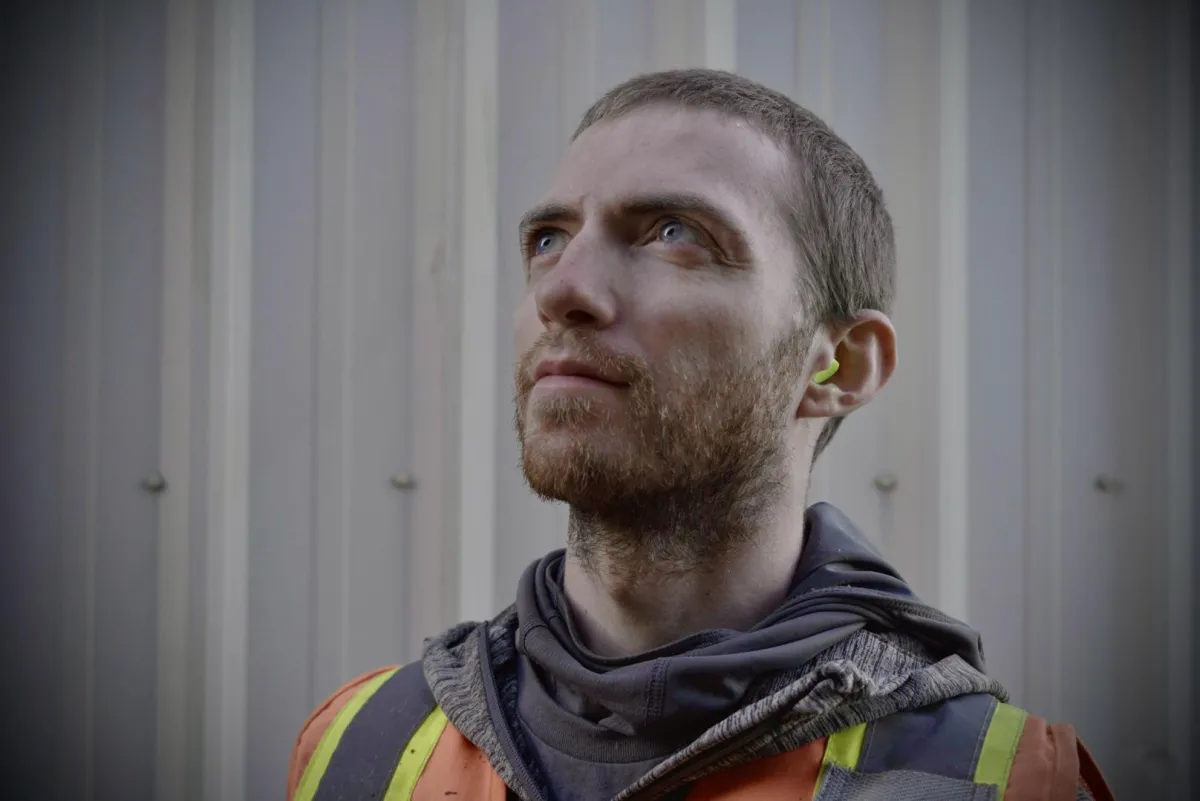
“I create with presence—capturing human stories through thoughtful visuals, emotional truth, and intentional design. This studio is where art meets purpose.”
— Made with intention by Pytormal Studios. —
Blogs
A gentle place to think about bodies, culture, and the stories we rarely say out loud.
Join the newsletter for new episodes, essays, and quiet experiments.
Barely-Said · A Pytormal Studios project
© 2026 Barely-Said. All rights reserved.