Puits de Chroma / Théra Trame
An exploration of human behavior, perception, and the colors of thought.
Barely-Said explores how something as natural as the human body became one of the most carefully managed subjects in culture — and what those quiet rules reveal about perception, identity, and human behavior.
Why Barely-Said Exists
The human body is the most ordinary thing we carry through life — and yet it is surrounded by some of the strongest reactions in our culture.
From early childhood we learn that the body must be managed carefully.
Certain parts should be covered. Certain images should be hidden. Certain conversations should stop before they go too far.
These lessons rarely arrive as explanations.
They arrive through reactions — embarrassment, censorship, jokes, warnings, algorithms, and silence.
Barely-Said exists to examine that strange territory.
The project explores how people learn what is “appropriate,” what is “too much,” and why something as natural as the human body can suddenly feel controversial depending on context.
Instead of treating these reactions as obvious truths, Barely-Said treats them as cultural signals — clues about how societies form rules around vulnerability, identity, privacy, and belonging.
The body itself is not the mystery.
The rules surrounding it are.
The Barely-Said Project
Barely-Said approaches this subject through multiple forms of storytelling, because different ideas reveal themselves in different ways.
Some questions require conversation.
Some require reflection.
Others require slow, careful writing.
For that reason the project is built around three complementary formats:
Podcast conversations
Long-form discussions exploring culture, censorship, and the emotional reactions people have to the body. Through dialogue and personal stories, these conversations trace how family, religion, media, technology, and law influence the way people interpret nudity and exposure.
Monologue reflections
Short and long-form visual reflections where a single voice explores a specific observation or experience. These pieces begin with small moments — awkward encounters, cultural contradictions, quiet realizations — and follow them until the deeper pattern behind them becomes visible.
Essays and writing
Written explorations of psychology, social norms, and the complicated relationship between curiosity, shame, humor, and vulnerability. Writing allows ideas to unfold more slowly, revealing the cultural narratives that shape what people feel comfortable showing, hiding, or discussing.
Together these forms create a small ecosystem of inquiry — different paths into the same question.
Why it Matters
Most people inherit their understanding of the body without ever questioning where those ideas originated.
Rules about nudity, modesty, and privacy often feel natural simply because they are learned early and reinforced constantly. Yet these rules change dramatically across cultures, generations, and technologies.
What feels scandalous in one era becomes ordinary in another.
What feels inappropriate in one context can feel harmless in another.
Barely-Said looks at these contradictions as evidence that the body itself is not the true source of discomfort.
Instead, the reactions surrounding it reveal deeper patterns about how people construct meaning, safety, morality, and identity.
The project asks questions such as:
Why does the body feel natural in private but controversial in public?
Why can the same image appear artistic in one setting and inappropriate in another?
Why do digital platforms censor certain forms of nudity while amplifying others?
Why does the act of being fully seen — physically or emotionally — trigger such strong responses?
These questions are not about promoting or rejecting nudity.
They are about understanding the human behavior surrounding it.
The Perspective of Barely-Said
Barely-Said approaches these questions with curiosity rather than confrontation.
The project does not aim to shock people, push boundaries for attention, or argue for a single moral position.
Instead it creates a space where familiar cultural rules can be examined calmly and thoughtfully.
The work favors:
curiosity over certainty
observation over accusation
conversation over ideology
reflection over reaction
In this way the body becomes a lens — a way of studying how people interpret vulnerability, visibility, privacy, and belonging.
Our Direction
Barely-Said will grow gradually as a living archive of observations, conversations, and creative work.
Future efforts will focus on four guiding practices:
Observe
Document the moments where social rules around the body quietly appear.
Reflect
Transform those observations into monologues, essays, and visual storytelling.
Discuss
Bring diverse voices together through conversations and interviews.
Connect
Invite artists, thinkers, and curious observers to explore these questions collaboratively.
Understanding cultural behavior requires patience.
Barely-Said is designed to evolve slowly as those patterns become clearer.
An Invitation
Everyone carries stories about the body.
Moments of embarrassment.
Moments of curiosity.
Moments where the rules felt confusing, unfair, or strangely powerful.
These experiences shape how people see themselves and others, yet they are rarely discussed openly.
Barely-Said invites those observations into the open.
Not to erase the complexity surrounding the body, but to understand it more clearly.
Because sometimes the most revealing parts of culture are the things we barely say out loud.
The Puits de Chroma gathers; the Théra Trame restores.
Together, they form the neural and emotional network of Pytormal Studios —
an evolving consciousness of color, connection, and compassion.
The Artist / About Me
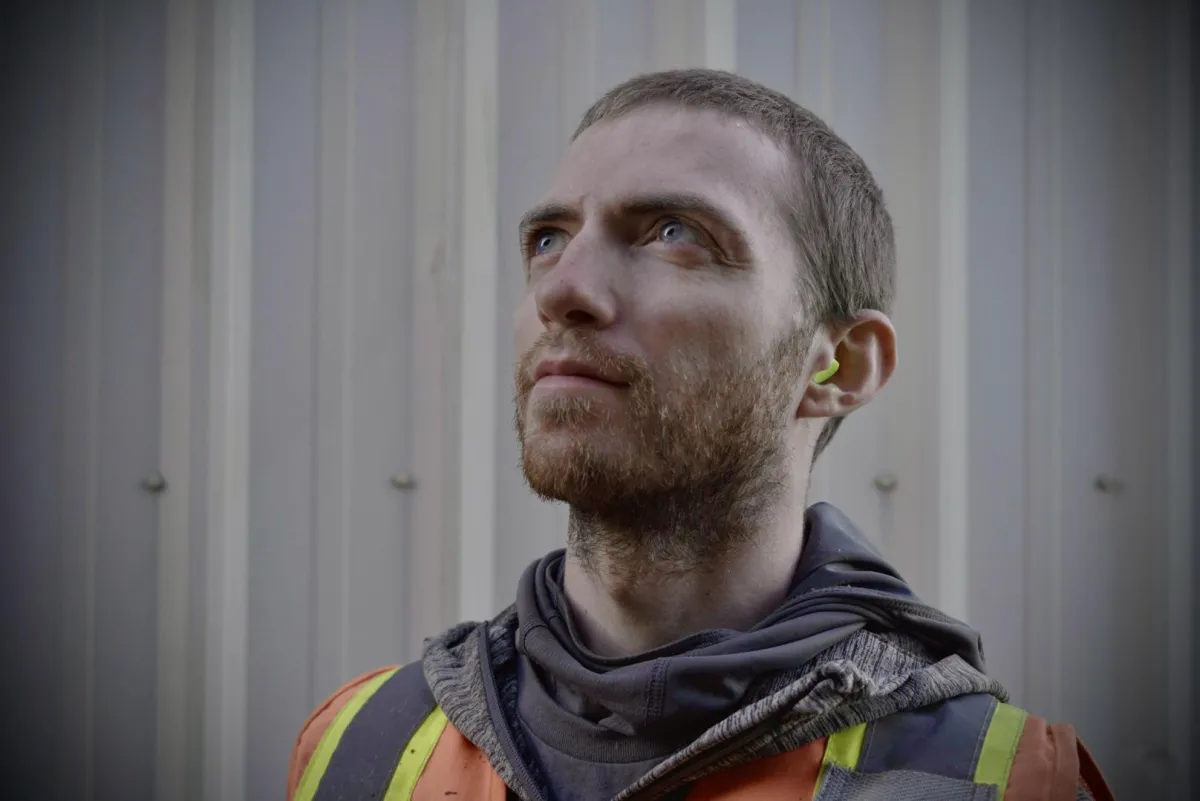
“I create with presence—capturing human stories through thoughtful visuals, emotional truth, and intentional design. This studio is where art meets purpose.”
— Made with intention by Pytormal Studios. —
Blogs
A gentle place to think about bodies, culture, and the stories we rarely say out loud.
Join the newsletter for new episodes, essays, and quiet experiments.
Barely-Said · A Pytormal Studios project
© 2026 Barely-Said. All rights reserved.